
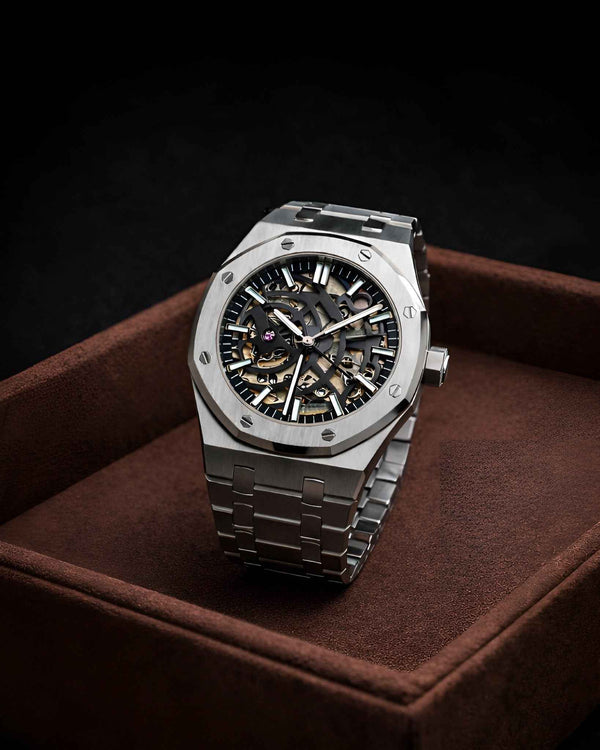
Automatic mechanical watches embody a timeless blend of engineering precision and artistic craftsmanship. Unlike quartz counterparts, they draw power from the wearer’s natural motion, translating kinetic energy into a smooth, continuous tick that has fascinated horologists for more than a century. The allure lies not only in the invisible mechanics that drive the hands but also in the aesthetic statements each piece makes on the wrist. From classic dress models to avant-garde skeleton designs, the automatic watch remains a symbol of refined engineering, offering both functional reliability and a visual narrative of motion.
How Automatic Movements Work
At the heart of every automatic watch is a rotor, a semi-circular weight that pivots on a central axle. As the wearer moves, the rotor spins, winding the mainspring and storing potential energy. This stored energy is released gradually through the gear train, regulating time via an escapement and balance wheel. The result is a self-sustaining system that can run for 40-80 hours without additional winding.
Key Components
- Rotor: Converts wrist motion into winding energy.
- Mainspring: Stores the energy generated by the rotor.
- Gear Train: Transfers energy from the mainspring to the escapement.
- Escapement: Controls the release of energy, creating the characteristic “tick.”
- Balance Wheel: Oscillates at a precise frequency, ensuring accurate timekeeping.
Design Elements That Define Elegance
Beyond the mechanics, the visual presentation of an automatic watch contributes significantly to its perceived elegance. Modern manufacturers often showcase the inner workings through transparent case backs, skeleton dials, or intricate dial patterns. These design choices celebrate the watch’s engineering while offering a luxurious aesthetic.
Skeleton Dials and Transparent Cases
- Reveal the movement’s architecture, turning engineering into art.
- Provide a dynamic visual experience as components move.
- Enhance perceived value through visible craftsmanship.
Materials and Finishes
- Stainless Steel: Offers durability and a classic look.
- Precious Metals: Gold or rose gold adds a premium feel.
- Ceramic and Carbon: Modern materials that reduce weight while maintaining strength.
- Sunburst and Guilloch?? Patterns: Create depth and texture on the dial surface.
Choosing the Right Automatic Watch for Your Lifestyle
Selecting an automatic watch involves balancing personal style, functional needs, and technical preferences. Consider the following factors to ensure the timepiece aligns with daily wear and long-term satisfaction.
- Purpose: Dress watches for formal occasions, sports models for active use, or versatile pieces that transition between settings.
- Size: Case diameter and thickness should complement wrist dimensions for comfort.
- Power Reserve: Longer reserves reduce the need for frequent winding.
- Water Resistance: Essential for watches intended for travel or outdoor activities.
- Maintenance: Regular service intervals keep the movement accurate and reliable.
For a deeper dive into selecting the perfect model, Discover expert strategies here and explore how specific features match various lifestyles.
Maintenance and Care Tips
Automatic watches, while robust, require periodic care to preserve both function and appearance. Proper maintenance not only extends the lifespan of the movement but also maintains the watch’s aesthetic integrity.
- Store the watch in a watch box or safe when not in use to protect against dust and moisture.
- Rotate the watch regularly if it is not worn daily to keep the rotor moving.
- Schedule professional servicing every 3-5 years to clean, lubricate, and adjust the movement.
- Avoid magnetic fields; keep the watch away from speakers, smartphones, and other electronic devices.
- Clean the case and bracelet with a soft cloth; use a mild soap solution for deeper cleaning if needed.
Additional guidance on proper upkeep can be found by Learn about our tailored solutions, which outline best practices for long-term reliability.
Future Trends in Automatic Watchmaking
The industry continues to innovate, merging traditional craftsmanship with modern technology. Emerging trends include the integration of smart components, the use of sustainable materials, and the resurgence of bespoke, limited-edition pieces that cater to collectors seeking exclusivity.
- Hybrid Smart-Mechanical Models: Combine classic movement with discreet smart features such as activity tracking.
- Eco-Friendly Materials: Recycled metals and bio-based straps reduce environmental impact.
- Micro-Finishing Techniques: Advanced polishing and engraving create unprecedented levels of detail.
- Limited-Run Collaborations: Partnerships between watchmakers and artists result in unique, collectible editions.
To stay informed about these developments, Explore advanced guides and tips that examine how innovation reshapes the landscape of mechanical horology.
Conclusion
Automatic mechanical watches remain a testament to human ingenuity, marrying precise engineering with timeless style. Their self-winding capability, visible craftsmanship, and evolving design language make them a compelling choice for anyone who values both function and form. Whether selecting a classic dress piece or a contemporary skeleton model, understanding the mechanics, design nuances, and care requirements ensures that the watch will not only keep accurate time but also serve as a lasting expression of elegance on the wrist.
For further reading and curated selections that exemplify these principles, Find out more about this approach and explore a curated collection that highlights the finest automatic timepieces available today.