
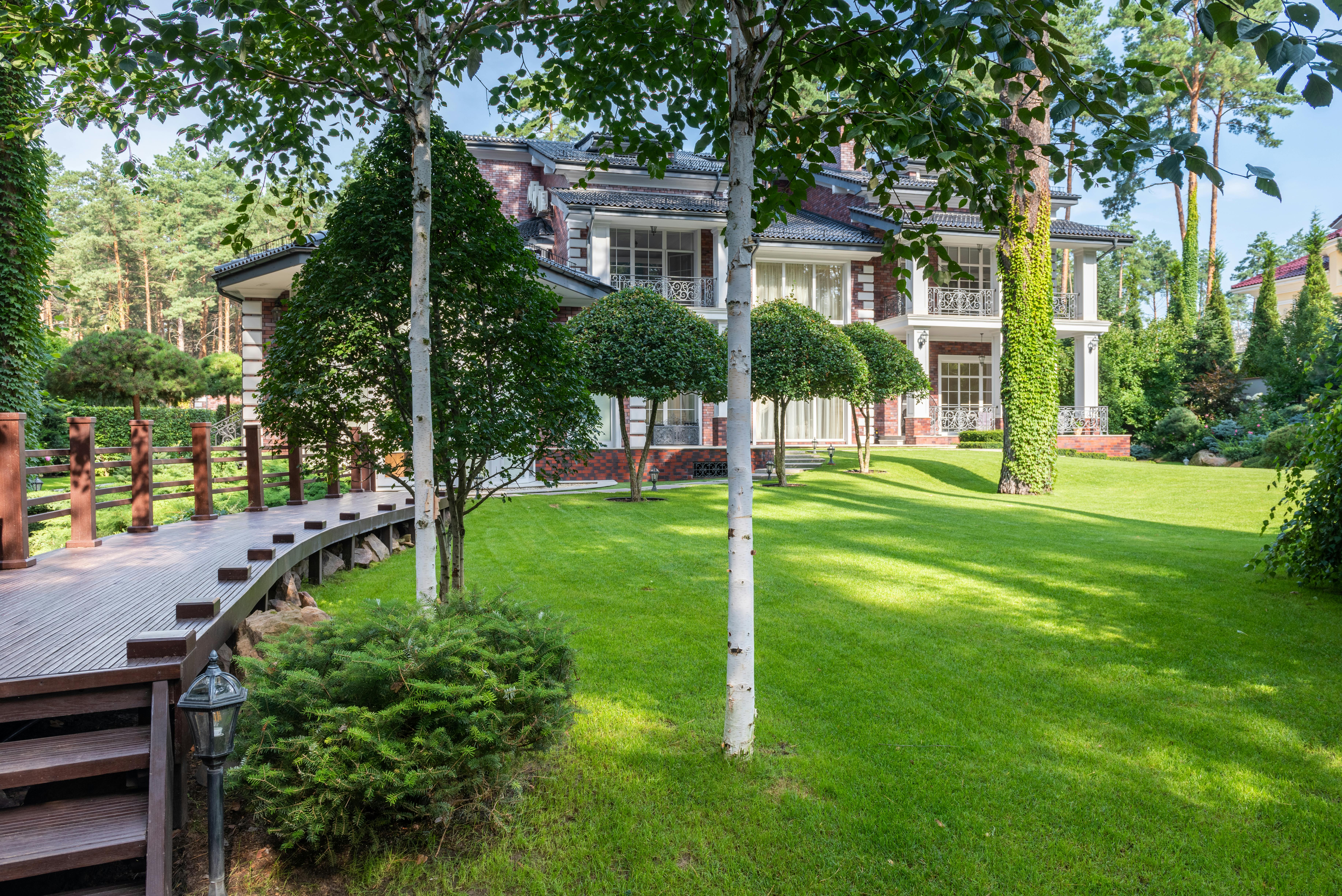
Residential landscaping is more than just planting a few shrubs or laying down a lawn. It involves careful planning, knowledge of horticulture, soil science, and design principles that together create functional, aesthetically pleasing outdoor spaces. Homeowners who seek lasting value, environmental sustainability, and visual harmony should consider entrusting these tasks to trained professionals. By leveraging expertise, proper equipment, and industry-standard practices, a well-maintained garden can enhance curb appeal, increase property value, and provide a private retreat for relaxation and recreation.
Why Professional Expertise Matters
Professional landscapers bring a combination of technical skill and artistic vision that most DIY attempts lack. Their training allows them to:
- Assess soil composition and amend it for optimal plant health.
- Select plant species that thrive in the local climate and micro-climate conditions.
- Design drainage solutions that prevent erosion and water damage.
- Integrate hardscape elements, such as pathways, retaining walls, and lighting, seamlessly with plantings.
- Maintain compliance with local council regulations and environmental guidelines.
Key Services Provided by Landscape Professionals
Site Evaluation and Design Planning
A thorough site analysis is the foundation of any successful landscape project. Professionals conduct measurements, sunlight studies, and soil tests before drafting a design that balances aesthetics with functionality. For a deeper look at the planning process, Read more about this topic.
Installation of Plantings and Hardscapes
Installation requires precision. From correctly spacing trees and shrubs to properly compacting base layers for patios, each step influences long-term performance. Detailed guidance on installation best practices can be found by learning more in this detailed guide.
Ongoing Maintenance and Seasonal Care
Even the most expertly designed garden needs regular upkeep. Maintenance services typically include:
- Pruning and shaping to promote healthy growth.
- Fertilization schedules tailored to specific plant needs.
- Weed control using environmentally responsible methods.
- Lawn aeration and overseeding for dense, resilient turf.
- Seasonal clean-ups that prepare the garden for winter or summer extremes.
For a comprehensive overview of maintenance routines, explore further insights here.
Benefits of Hiring Professionals for Residential Landscaping
Investing in professional services yields tangible and intangible advantages:
- Time Savings: Skilled crews complete tasks efficiently, freeing homeowners to focus on other priorities.
- Cost Efficiency: Proper plant selection and installation reduce future replacement and repair expenses.
- Environmental Impact: Experts incorporate water-wise irrigation, native species, and soil conservation techniques.
- Design Cohesion: A unified design language ensures that hardscape and softscape elements complement each other.
- Safety and Compliance: Professionals adhere to safety standards and local bylaws, minimizing liability.
Choosing the Right Landscape Professional
Selecting a qualified provider involves more than a quick internet search. Consider the following criteria:
- Certifications or memberships with reputable horticultural or landscaping associations.
- Portfolio of completed residential projects that reflect a range of styles and scales.
- Transparent pricing structures and clear scope of work documentation.
- Commitment to sustainable practices, such as organic fertilization and rainwater harvesting.
- Positive references from previous clients, focusing on reliability and workmanship.
For additional guidance on evaluating service providers, find additional information here.
Integrating Sustainable Practices
Modern residential landscaping increasingly emphasizes sustainability. Professionals can incorporate:
- Native Plantings: Species adapted to local conditions require less water and maintenance.
- Efficient Irrigation: Drip systems and smart controllers reduce water waste.
- Soil Health: Mulching and composting improve nutrient retention and reduce runoff.
- Habitat Creation: Bird-friendly planting schemes and insect hotels support biodiversity.
To explore how these elements can be blended into a cohesive design, read more about this topic.
Conclusion
Residential landscaping is a multidisciplinary endeavor that benefits greatly from professional expertise. From initial site analysis to long-term maintenance, trained landscapers ensure that every component of an outdoor space works together harmoniously, delivering aesthetic appeal, functional utility, and environmental stewardship. Homeowners who prioritize quality, durability, and sustainability will find that trusting professionals is the most effective path to achieving a beautiful, resilient garden that enhances both lifestyle and property value.