
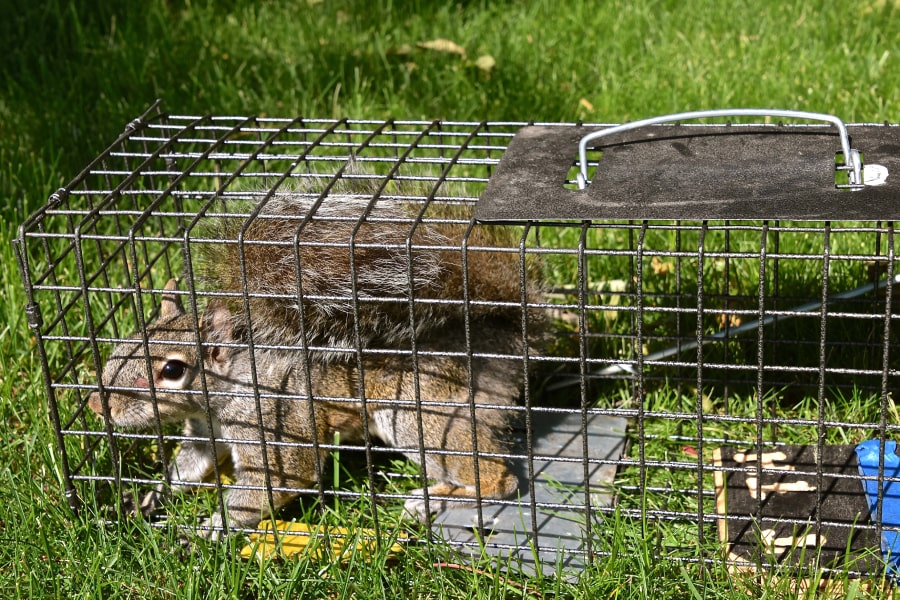
Understanding the delicate balance of ecosystems and the role of various species within them is crucial in maintaining biodiversity and environmental health. However, when wildlife encroaches into human habitats, it can lead to conflicts that require professional intervention. Wildlife management services play an essential role in addressing these issues by implementing strategic solutions that are humane and effective. These services not only protect human interests but also ensure the ethical treatment of wild animals, upholding ecological balance.
The Role of Wildlife Management Services
Professional wildlife management services encompass a variety of practices aimed at controlling and maintaining wildlife populations in a way that is beneficial both to humans and the environment. These services include:
- Conducting assessments to identify wildlife presence and potential risks.
- Developing and implementing management plans that align with local regulations and ecological needs.
- Providing humane solutions for wildlife conflicts, such as relocation or habitat modification.
- Offering educational resources to the public on coexistence with wildlife.
Why Professionalism Matters
Engaging with a wildlife removal company brings a level of professionalism and expertise that is indispensable. Professionals in this field are equipped with the knowledge and tools necessary to handle wildlife situations safely and ethically. Key benefits include:
- Expert knowledge of animal behavior and ecology, which informs better decision-making.
- Access to specialized equipment and technology for safe removal and management.
- Adherence to legal standards, ensuring that all actions are compliant with wildlife conservation laws.
- Implementation of sustainable practices that promote long-term ecological health.
Impact on Communities and Ecosystems
The presence of wildlife in urban and suburban areas can lead to significant challenges such as property damage, health risks, and safety concerns. Professional wildlife management services are crucial in mitigating these issues by:
- Reducing the risk of diseases that can be transmitted from wildlife to humans.
- Preventing property damage caused by animals such as rodents and large mammals.
- Ensuring the safety of both humans and animals by minimizing dangerous encounters.
- Supporting biodiversity by managing species populations in a sustainable way.
Ethical Considerations in Wildlife Management
Ethical wildlife management is centered around the principle of humane treatment and respect for all living creatures. This approach ensures that interventions do not harm animals unnecessarily and that the ecological impact is carefully considered. Ethical practices include:
- Utilizing non-lethal methods whenever possible to manage wildlife populations.
- Ensuring that any captured animals are relocated to suitable habitats.
- Educating communities on how to prevent wildlife problems without resorting to lethal measures.
- Monitoring and evaluating the outcomes of management interventions to improve future strategies.
Conclusion
The importance of professional wildlife management services cannot be overstated. By balancing the needs of human populations with the preservation of wildlife, these services play a pivotal role in maintaining ecological harmony. Engaging with experienced professionals ensures that wildlife issues are addressed in a manner that is both effective and ethical. As human expansion continues to intersect with natural habitats, the role of wildlife management becomes increasingly vital in safeguarding the delicate balance of our ecosystems.