
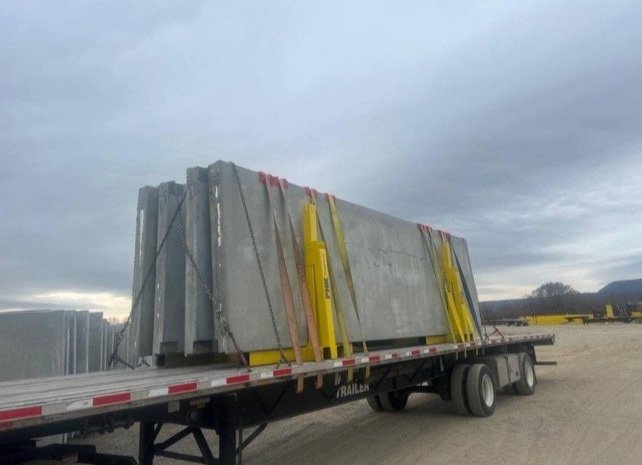
In today’s fast-paced global market, logistics management plays a critical role in driving business efficiency. Efficient logistics processes not only enhance customer satisfaction but also significantly reduce operational costs. As businesses strive for excellence, adopting streamlined logistics management solutions becomes imperative. These solutions involve the integration of technology and strategic planning to ensure that goods are transported seamlessly from point of origin to the final destination. Such transformations in logistics management are crucial for businesses aiming to maintain a competitive edge, especially in an increasingly digital world.
Understanding the Core Components of Logistics Management
Logistics management encompasses several key components that work in concert to ensure the smooth operation of supply chains. By focusing on these elements, businesses can optimize their logistics processes and achieve greater efficiency.
Transportation Management
Transportation is a fundamental aspect of logistics, involving the movement of goods by land, air, or sea. Effective transportation management ensures timely delivery and minimizes costs. Key strategies include:
- Utilizing route optimization software to find the most efficient paths.
- Implementing fleet management systems for real-time tracking and maintenance.
- Exploring partnerships with reliable carriers to enhance service quality.
For businesses looking to upgrade their transportation management strategies, discover expert strategies here.
Inventory Control
Inventory control is vital for balancing supply and demand. Effective inventory management involves:
- Employing just-in-time (JIT) inventory systems to reduce holding costs.
- Using inventory management software to maintain accurate stock levels.
- Implementing demand forecasting to predict future inventory needs.
To enhance inventory control methods, consider exploring tailored solutions that suit specific business needs.
The Role of Technology in Streamlining Logistics
The integration of technology in logistics management has revolutionized the way businesses operate. Technological advancements provide tools that automate processes, improve data accuracy, and enhance decision-making capabilities.
Automation and Robotics
Automation has transformed logistics by reducing manual errors and increasing efficiency. Key applications include:
- Automated warehouses that utilize robotics for picking and packing.
- Self-driving vehicles for transportation, reducing human intervention.
- Automated sorting systems that enhance speed and accuracy.
To see how automation can transform logistics operations, explore advanced guides and tips.
Data Analytics and IoT
Data analytics and the Internet of Things (IoT) play a pivotal role in logistics management by providing insights into operational efficiencies. Benefits include:
- Real-time tracking of shipments and inventory through IoT devices.
- Predictive analytics to foresee potential disruptions and optimize routes.
- Enhanced customer service through data-driven decision-making.
Businesses can find out more about this approach to leverage data analytics and IoT for improved logistics management.
Conclusion: The Future of Logistics Management
As the logistics landscape continues to evolve, businesses must adapt by embracing innovative management solutions. The integration of technology and strategic planning is not just beneficial but necessary for maintaining a competitive advantage. From transportation and inventory control to the adoption of cutting-edge technologies, each aspect of logistics management plays a critical role in enhancing efficiency. For businesses aiming to excel in logistics, it is essential to stay informed about the latest trends and strategies. By doing so, they can ensure that their logistics operations are not only streamlined but also capable of meeting the demands of a dynamic global market.
For further insights into optimizing logistics management, learn about our tailored solutions.