
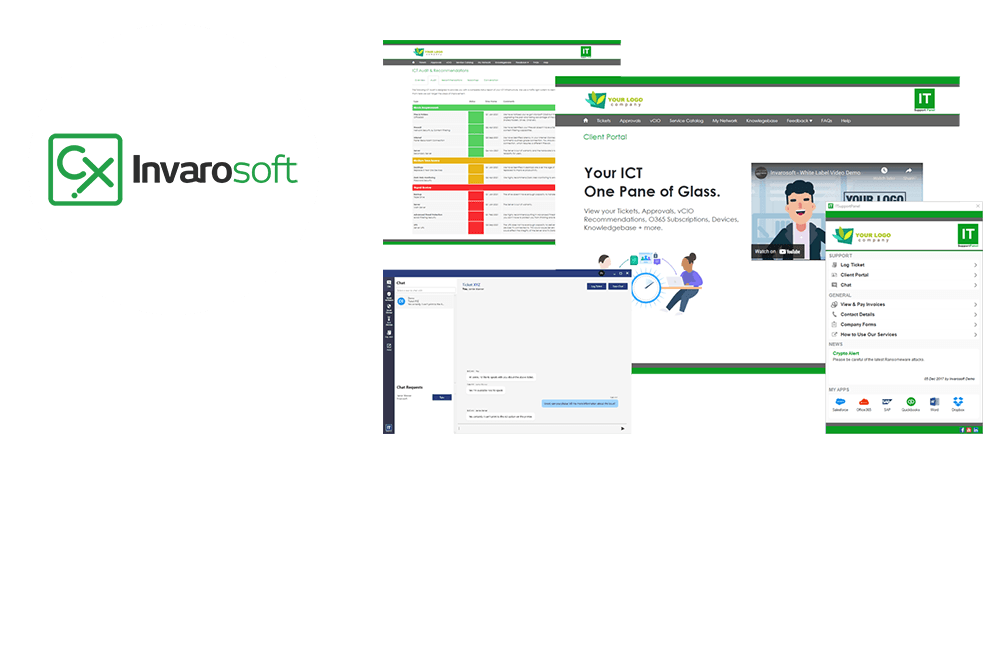
In today’s competitive IT landscape, Managed Service Providers (MSPs) face the challenge of not only meeting client demands but also optimizing their internal processes for maximum efficiency. The technology stack, commonly referred to as the msp stack, plays a vital role in this regard. A well-optimized stack can drastically improve service delivery, enhance customer satisfaction, and boost overall performance. Below, we explore key strategies for optimizing your MSP stack to achieve these goals.
Understanding the Components of an MSP Stack
An MSP stack is a collection of software tools and technologies that facilitate the delivery of IT services. It typically includes:
- Remote Monitoring and Management (RMM) tools
- Professional Services Automation (PSA) software
- Security solutions
- Backup and disaster recovery systems
- Cloud services and platforms
Each component plays a critical role in ensuring seamless service delivery. Understanding these components allows MSPs to tailor their stack to meet specific business needs and client requirements.
Steps to Optimize Your MSP Stack
1. Evaluate Current Tools and Technologies
Begin by conducting a thorough assessment of the current tools and technologies in use. This evaluation should consider:
- The effectiveness of each tool in meeting business objectives
- Integration capabilities with other stack components
- User-friendliness and ease of training
- Cost-effectiveness relative to the benefits provided
This initial evaluation helps identify any gaps or redundancies within the stack, providing a clear path forward for optimization.
2. Streamline Integration
Ensuring that all components of the stack work seamlessly together is crucial. Poor integration can lead to data silos, inefficient workflows, and increased operational costs. Consider tools that offer robust APIs and integration capabilities to facilitate a cohesive working environment.
3. Embrace Automation
Automation is a powerful tool for enhancing the efficiency of an MSP stack. By automating repetitive tasks, such as patch management and system monitoring, MSPs can free up resources for more strategic initiatives. Seek tools within the msp stack that support automation to reduce manual intervention and minimize the risk of errors.
4. Prioritize Security
Security should be a top priority in any MSP stack. With the increasing sophistication of cyber threats, having robust security measures in place is non-negotiable. This includes implementing advanced threat detection systems, regular security assessments, and ensuring compliance with industry standards.
5. Foster Continuous Improvement
Optimization is not a one-time task but an ongoing process. Regularly review the performance of the MSP stack and seek feedback from team members and clients. Use this information to make informed decisions about new technologies and improvements that could enhance service delivery.
Leveraging Cloud Technologies
Cloud technologies have become an integral part of modern MSP stacks. They offer scalability, flexibility, and cost savings, making them an attractive option for many service providers. When integrating cloud services:
- Choose providers that offer robust security features
- Ensure compatibility with existing systems
- Consider hybrid solutions to balance on-premises and cloud resources
Leveraging cloud technologies can significantly enhance the agility and responsiveness of the MSP stack.
Conclusion
Optimizing the MSP stack is a strategic initiative that can lead to improved performance, increased client satisfaction, and a competitive edge in the market. By evaluating current tools, streamlining integrations, embracing automation, prioritizing security, and leveraging cloud technologies, MSPs can ensure their stack is primed for success. Continuous improvement and adaptation to new technologies will keep the stack relevant and effective in the ever-evolving IT landscape.