
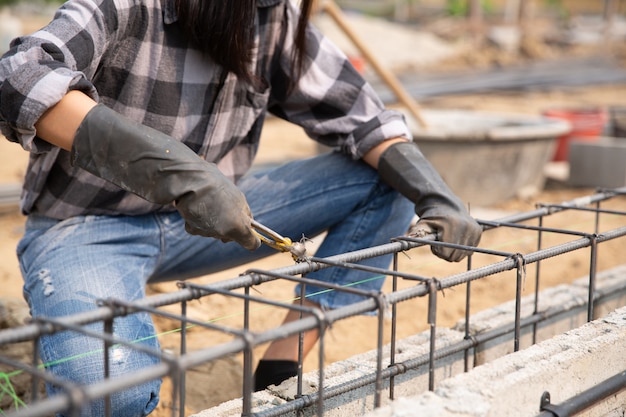
Finding a reliable concrete contractor can feel like searching for a needle in a haystack, especially when the phrase “concrete businesses near me” pops up in countless search results. The right company not only delivers structural integrity but also saves time, money, and future headaches. This guide walks through the critical factors to consider, the questions to ask, and the resources that can help you make an informed decision, so you can confidently choose the best concrete company for any project.
Why Local Expertise Matters
Concrete work is heavily influenced by regional climate, soil composition, and local building codes. A contractor that understands the specific challenges of your area can adjust mix designs, curing times, and reinforcement strategies accordingly.
- Climate adaptation: Temperature fluctuations affect setting time and strength development.
- Soil conditions: Knowing the load-bearing capacity of local soils helps prevent cracking.
- Regulatory compliance: Familiarity with municipal permits speeds up project approval.
Key Criteria for Evaluating Concrete Companies
1. Experience and Portfolio
A solid track record demonstrates both technical skill and reliability. Look for companies that showcase a diverse portfolio, residential slabs, commercial foundations, decorative finishes, and repair work. Reviewing completed projects can reveal the contractor’s ability to handle the specific type of work you need.
2. Certifications and Licensing
Proper licensing is mandatory, but certifications such as those from the American Concrete Institute (ACI) or the National Ready Mixed Concrete Association (NRMCA) indicate a higher commitment to industry standards. These credentials often translate into better quality control and adherence to best practices.
3. Quality of Materials
The strength and durability of concrete depend heavily on the mix design and the quality of aggregates, cement, and admixtures. Companies that source materials from reputable suppliers and offer customizable mix options can tailor the concrete to your project’s exact requirements.
4. Transparent Pricing
Clear, itemized estimates prevent surprise costs later. A reputable contractor will break down labor, materials, equipment, and any additional fees, allowing you to compare quotes on an apples-to-apples basis.
5. Customer Reviews and References
Online reviews, testimonials, and direct references provide insight into a contractor’s professionalism, timeliness, and communication style. Pay attention to patterns in feedback rather than isolated comments.
Questions to Ask Before Signing a Contract
- What is the estimated timeline for completion, and how are delays handled?
- Can you provide a detailed mix design and explain why it suits my project?
- How do you ensure proper curing, especially in extreme weather?
- What warranties or guarantees are offered on the finished work?
- Do you handle all necessary permits, or will I need to secure them separately?
Utilizing Online Resources for In-Depth Research
Beyond local recommendations, the internet offers a wealth of specialized content that can deepen your understanding of concrete technology and best practices. Discover expert strategies here. This resource provides technical articles, case studies, and practical tips that can help you evaluate a contractor’s expertise more objectively.
Comparing Quotes: A Structured Approach
When you receive multiple estimates, use a comparison matrix to assess each offer against the criteria outlined above. Include columns for:
- Company name and years in business
- Licensing and certifications
- Material specifications
- Itemized cost breakdown
- Warranty terms
- Customer references
Scoring each category on a consistent scale (e.g., 1-5) makes it easier to identify the most balanced option, one that offers quality, reliability, and fair pricing.
Ensuring Ongoing Support and Maintenance
Concrete structures may require periodic inspections, sealing, or repairs. Choose a contractor that offers post-project support, such as scheduled maintenance visits or emergency repair services. This long-term partnership can extend the lifespan of your investment and reduce future repair costs.
Local Success Stories and Case Studies
Reading about similar projects in your area can provide confidence in a contractor’s capabilities. For instance, a recent residential slab installation in Raleigh demonstrated how precise mix adjustments mitigated cracking caused by rapid temperature changes. The project details, including the mix design and curing schedule, were documented in an informative guide. Learn about our tailored solutions.
Final Checklist Before Hiring
- Verify licensing and insurance coverage.
- Confirm certifications and training of key personnel.
- Review the detailed estimate and ensure all items are accounted for.
- Check references and read recent customer reviews.
- Assess the contractor’s communication responsiveness.
- Ensure a clear warranty and maintenance plan is included.
Conclusion
Choosing the best concrete company involves more than a quick Google search. By focusing on local expertise, verifying credentials, scrutinizing material quality, and leveraging reputable online resources, you can make a well-informed decision that safeguards your project’s structural integrity and budget. For those seeking a concrete partner with proven expertise and a commitment to excellence, exploring detailed guides and case studies can be especially helpful. Explore advanced guides and tips. With a systematic approach and the right information at hand, the perfect concrete business near you is within reach.