
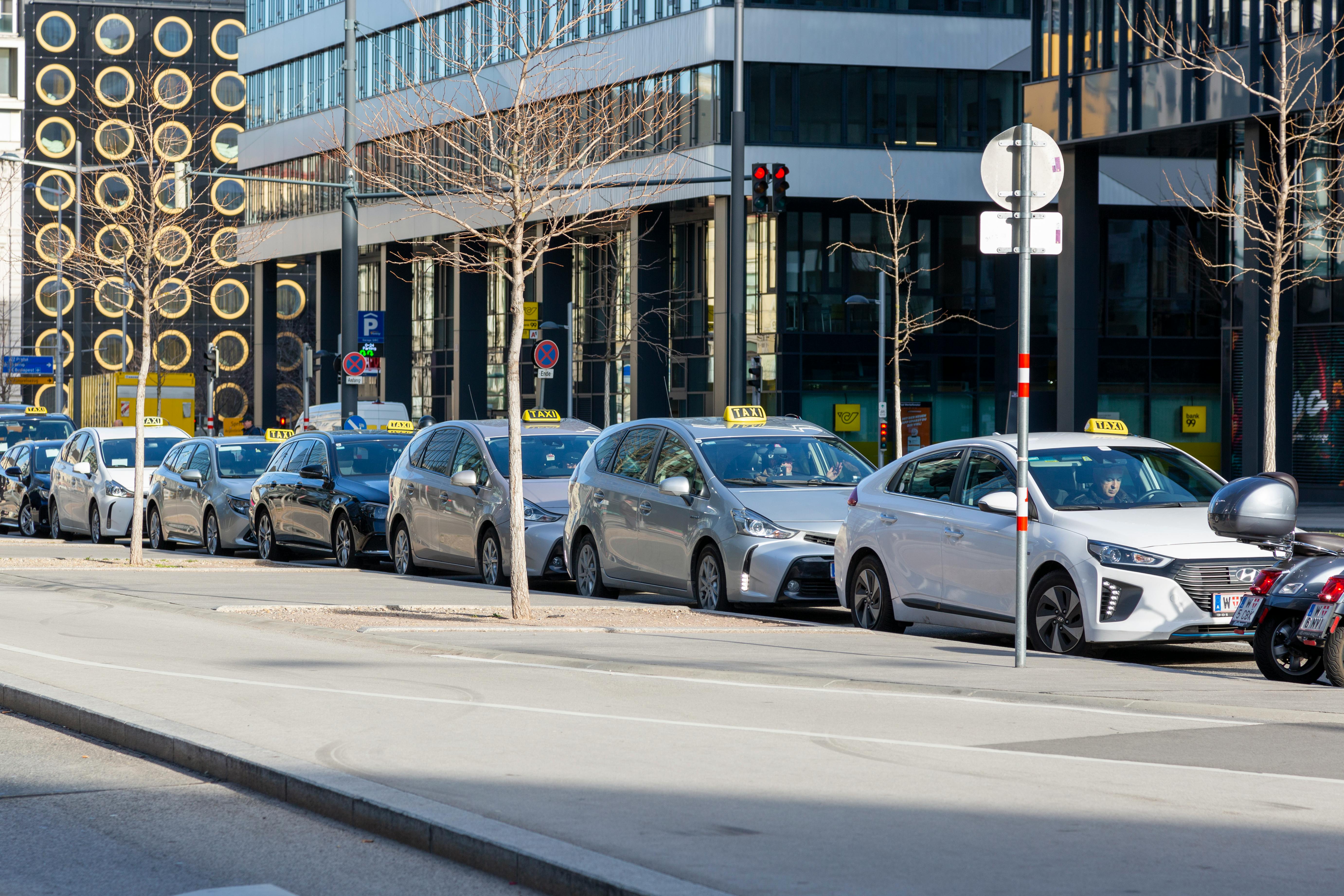
In the modern world, efficient local transportation services are pivotal for the seamless functioning of urban areas. Whether it’s commuting to work, attending social events, or running errands, reliable transportation systems ensure that communities remain connected. As urban populations continue to grow, the demand for efficient, affordable, and sustainable transportation solutions becomes increasingly critical. This article delves into the various aspects of local transportation services, highlighting the importance of innovation and the need for inclusive options that cater to everyone, regardless of their mobility needs.
Key Features of Efficient Local Transportation
Effective local transportation services are characterized by a range of features that enhance usability and accessibility. Some of these features include:
- Timeliness: Services should be punctual and reliable, minimizing waiting times and ensuring schedules are adhered to.
- Accessibility: Transportation systems must cater to all individuals, including those with disabilities, by providing accessible vehicles and infrastructure.
- Affordability: Costs should be kept reasonable to ensure that transportation is accessible to all economic strata.
- Sustainability: Environmental considerations are crucial, with a focus on reducing emissions and promoting eco-friendly transportation options.
For more information about these essential features, read more about this topic.
Innovative Transportation Solutions
Smart Infrastructure
Modern transportation systems are increasingly leveraging technology to improve efficiency and user experience. Smart infrastructure, such as real-time tracking of vehicles and smart traffic management systems, plays a pivotal role in enhancing service delivery. These advancements not only improve operational efficiency but also enhance the safety and convenience of passengers.
To learn more about smart infrastructure initiatives, explore further insights here.
Shared Mobility
Shared mobility options, such as ride-sharing and bike-sharing, have emerged as popular alternatives to traditional transportation modes. These services offer flexible, cost-effective, and environmentally sustainable options for urban commuters. Shared mobility reduces the number of vehicles on the road, thereby decreasing congestion and pollution levels.
Discover the benefits of shared mobility in this detailed guide.
Challenges and Considerations
Despite the numerous advantages, local transportation services face several challenges that need addressing:
- Infrastructure Development: Expanding and maintaining infrastructure to support growing populations can be a significant financial and logistical hurdle.
- Technological Integration: Ensuring seamless integration of new technologies with existing systems requires careful planning and investment.
- Regulatory Compliance: Adhering to local, national, and international regulations is crucial for operational sustainability and safety.
For a deeper understanding of these challenges, find additional information here.
The Future of Local Transportation
As the transportation sector evolves, it is essential to remain adaptable and forward-thinking. The incorporation of autonomous vehicles, enhanced connectivity, and the adoption of green technologies are paving the way for the future of local transportation. Stakeholders must work collaboratively to foster innovation and develop solutions that are both inclusive and sustainable.
In conclusion, efficient local transportation services are integral to the functioning of modern societies. By prioritizing accessibility, sustainability, and technological advancement, urban areas can create transportation systems that cater to the diverse needs of their inhabitants. For ongoing updates and emerging trends in this field, learn more in this detailed guide.