
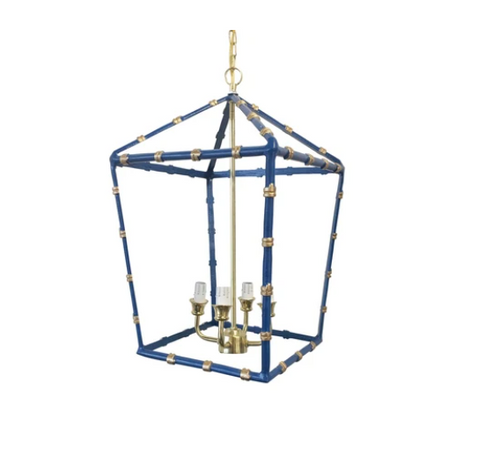
Lighting has moved beyond mere illumination; it now serves as a defining element of interior design, shaping mood, emphasizing architecture, and reinforcing brand identity. In contemporary spaces, the balance between form and function is essential, and designers who excel at this balance create environments that feel both timeless and cutting-edge. The latest collections from Dana Gibson illustrate how thoughtful engineering, sustainable materials, and artistic vision converge to produce fixtures that are as adaptable as they are striking. By examining the design philosophy, material choices, and integration strategies, readers can gain insight into how modern lighting solutions elevate interiors without overwhelming them.
Design Philosophy: Merging Artistry with Function
At the core of the collection is a commitment to simplicity that does not sacrifice impact. Each piece is conceived with a clear hierarchy of light, ambient, task, and accent, allowing designers to layer illumination for depth and texture. This approach aligns with the broader trend toward curated lighting plans, where fixtures act as visual anchors rather than background accessories.
- Human-centred ergonomics: Adjustable heights and directional controls accommodate diverse activities, from reading to entertaining.
- Minimalist aesthetics: Clean lines and restrained finishes ensure that the fixture complements rather than competes with surrounding d??cor.
- Scalable systems: Modular components can be expanded or reconfigured as spatial needs evolve.
Strategic Use of Light Layers
Understanding how light layers interact is crucial for achieving a balanced environment. The Dana Gibson range offers built-in dimming capabilities and color temperature options, enabling seamless transitions from bright workspaces to warm, inviting evenings. For deeper insight into layering techniques, Discover expert strategies here.
Material Innovation and Sustainability
Material selection plays a pivotal role in both aesthetic appeal and environmental responsibility. The collection showcases a blend of reclaimed wood, brushed aluminum, and low-impact glass, each chosen for durability and visual harmony.
- Reclaimed timber: Provides a warm, organic texture while reducing waste.
- Aluminum alloys: Offer lightweight strength and excellent recyclability.
- Low-iron glass: Delivers crisp light diffusion with minimal color distortion.
These choices reflect a broader industry shift toward circular design principles. For a deeper dive into material sourcing, Learn about our tailored solutions.
Integration Into Modern Interiors
Successful lighting integration requires more than selecting a beautiful fixture; it demands strategic placement, wiring considerations, and coordination with interior elements such as furniture, flooring, and wall finishes. The Dana Gibson line is designed with flexible mounting options, pendant, recessed, and surface-mounted, to suit a variety of ceiling heights and architectural constraints.
Key Integration Guidelines
- Define zones: Map out functional zones (e.g., reading nooks, kitchen islands) and assign appropriate lighting types.
- Consider ceiling height: Use pendant fixtures in rooms with higher ceilings to create visual interest without overwhelming the space.
- Coordinate finishes: Match fixture hardware with existing metal accents for cohesive styling.
For practical case studies that illustrate these principles, Explore advanced guides and tips.
Technology and Smart Controls
Modern interiors increasingly rely on smart home ecosystems, and lighting must be compatible with these platforms. Many Dana Gibson fixtures incorporate wireless dimming, motion sensors, and voice-activated controls that integrate seamlessly with popular assistants such as Alexa, Google Home, and Apple HomeKit.
- Wireless dimming: Adjust brightness without additional wiring.
- Occupancy sensors: Conserve energy by automatically turning lights off when spaces are unoccupied.
- Scene programming: Pre-set lighting scenes for work, relaxation, or entertainment.
Understanding how to program these features can dramatically improve user experience. Detailed tutorials are available at Find out more about this approach.
Case Studies: Real-World Applications
Several recent projects demonstrate the versatility of the collection across residential, hospitality, and commercial settings.
Residential Loft
A converted warehouse loft required a blend of industrial grit and modern comfort. A series of elongated pendant lights with reclaimed wood shades were installed above the kitchen island, providing focused task lighting while echoing the building’s original timber beams. Ambient recessed LEDs along the perimeter created a soft wash that highlighted exposed brick walls.
Boutique Hotel Lobby
The lobby design called for a dramatic focal point. A large, sculptural chandelier featuring brushed aluminum arms and frosted glass diffusers was positioned over the reception desk. The fixture’s programmable color temperature allowed the space to shift from a crisp morning ambiance to a warm evening glow, enhancing guest perception of luxury.
Corporate Workspace
In a collaborative office environment, adjustable desk lamps with integrated USB charging ports were paired with ceiling-mounted linear fixtures. This combination supported both individual focus work and group brainstorming sessions, illustrating the collection’s adaptability to varied work styles.
Future Trends and Anticipated Developments
Looking ahead, the lighting industry is poised to embrace greater personalization through AI-driven illumination that learns user preferences and adapts in real time. Materials such as bio-based polymers and 3D-printed components are also expected to gain traction, offering designers unprecedented flexibility. The Dana Gibson brand is already experimenting with these innovations, positioning its future releases at the intersection of technology, sustainability, and design excellence.
Conclusion
Innovative lighting design is no longer a niche; it is a fundamental component of modern interior architecture. By focusing on layered illumination, sustainable materials, smart integration, and adaptable aesthetics, the Dana Gibson collection provides designers with tools to craft spaces that are both functional and inspiring. For professionals seeking to deepen their understanding of contemporary lighting strategies, the resources linked throughout this article offer valuable, actionable insights.