
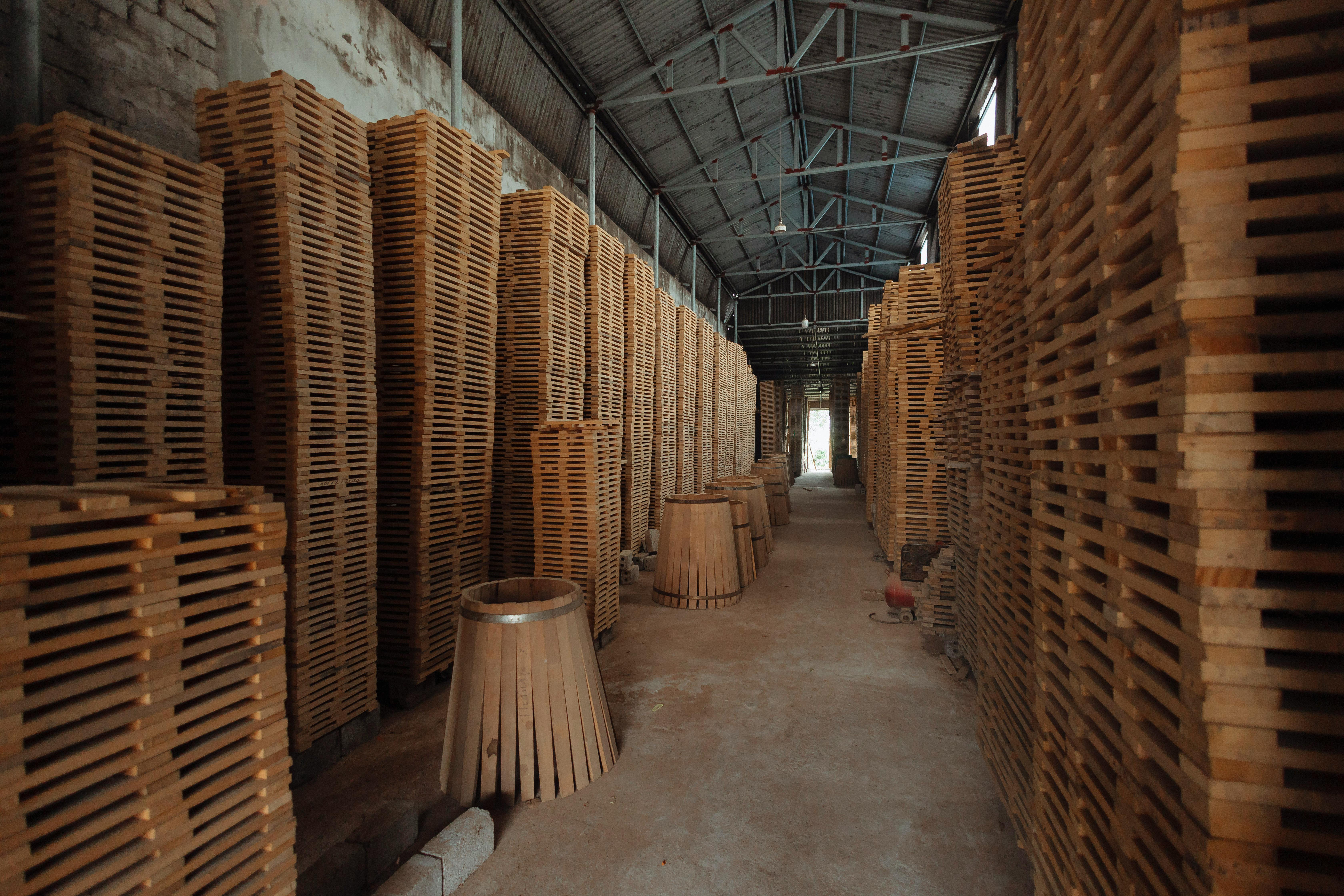
In the logistics and supply chain industry, pallets serve as the backbone for transporting goods efficiently and safely. While standard pallets are widely used, custom made pallets offer unique advantages tailored to specific needs. These specialized solutions can enhance operational efficiency, reduce costs, and improve product protection. Understanding the nuances of custom pallets is crucial for businesses aiming to optimize their logistics processes.
What Are Custom Made Pallets?
Custom made pallets are specifically designed to meet the unique requirements of a business. Unlike standard pallets, which follow generic specifications, custom pallets are engineered to fit particular sizes, weights, and handling processes. This customization can involve selecting specific materials, dimensions, and structural designs.
Benefits of Custom Pallets
The advantages of opting for custom made pallets include:
- Improved efficiency in storage and transportation due to tailored sizes.
- Enhanced product protection through materials suited to specific goods.
- Reduction in shipping costs by optimizing pallet weight and dimensions.
- Increased sustainability by selecting environmentally friendly materials.
- Flexible design options to accommodate future business changes.
For those interested in tailoring their pallet solutions, learn about our tailored solutions for a comprehensive understanding.
Materials Used in Custom Pallets
Custom pallets can be constructed from a variety of materials, each offering distinct benefits:
- Wood: A traditional choice, wood is versatile and widely available. It can be customized easily in terms of size and strength.
- Plastic: Known for its durability and lightweight properties, plastic pallets are suitable for environments with strict sanitation requirements.
- Metal: Offering high strength and durability, metal pallets are ideal for heavy-duty applications.
- Composite: Combining elements of wood and plastic, composite pallets offer a balance of strength and resilience.
To explore advanced guides and tips on selecting the right materials for your custom pallets, explore advanced guides and tips.
Designing Custom Pallets
The design process for custom pallets involves several key considerations:
- Load Capacity: Understanding the weight requirements is crucial for selecting the appropriate materials and design.
- Dimensions: Custom sizes ensure that pallets fit perfectly within storage and transportation systems.
- Handling Mechanisms: Consideration of how pallets will be moved, whether by forklift, manual handling, or other methods.
- Durability: Selecting designs that withstand environmental conditions, such as humidity or extreme temperatures.
Discover expert strategies here to navigate the complexities of custom pallet designs.
Implementing Custom Pallets in Operations
Integrating custom pallets into business operations involves:
- Assessment: Identifying the specific needs of the business and the limitations of current pallet solutions.
- Collaboration: Working with suppliers to develop a pallet design that meets all operational requirements.
- Testing: Conducting trials to ensure that the new pallets perform effectively under actual conditions.
- Feedback: Gathering input from employees and stakeholders to refine the design and implementation process.
For more insights on this approach, find out more about this approach and how it can benefit operational efficiency.