
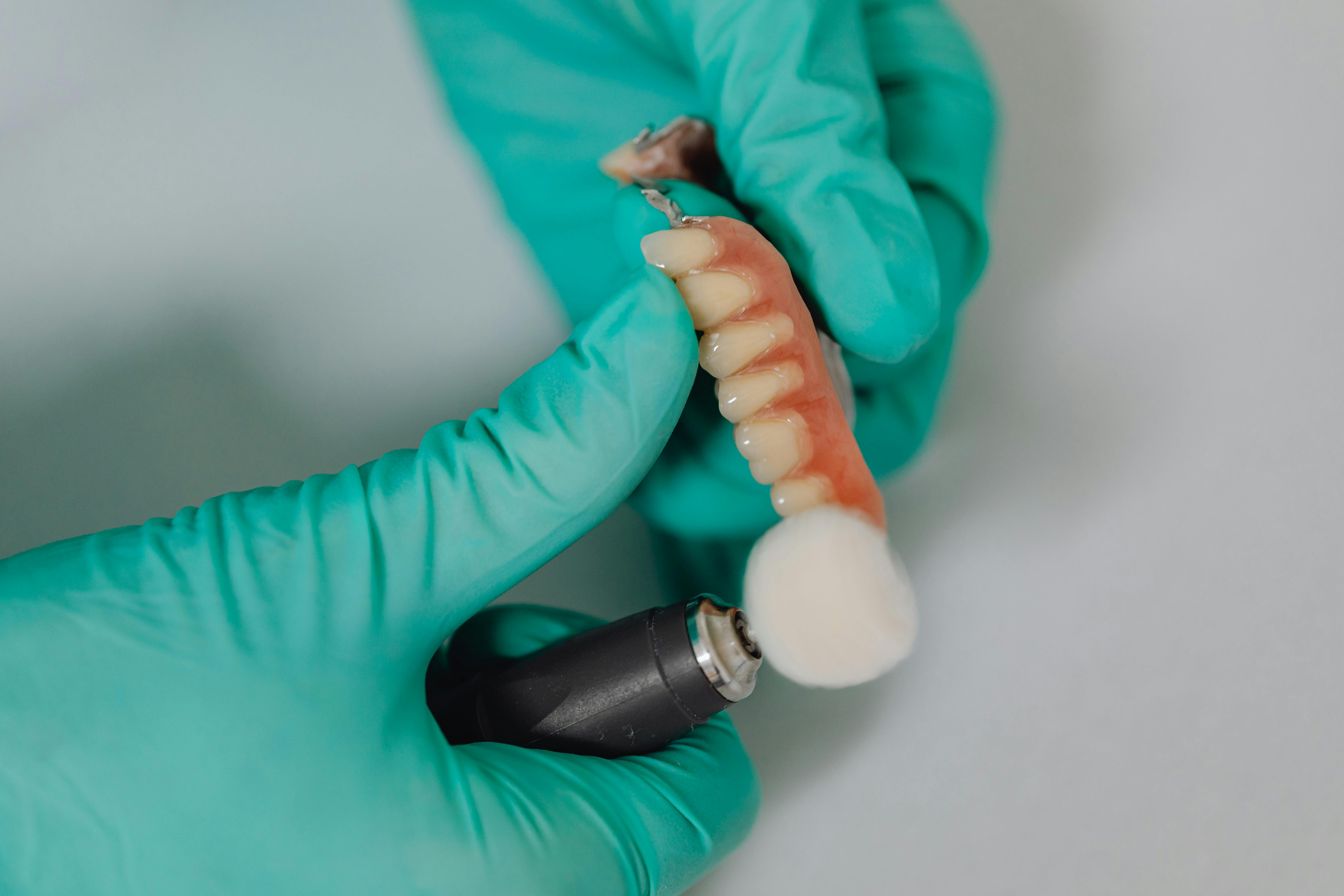
In the ever-evolving field of dental implants, patient satisfaction and accessibility are paramount. Providing a seamless appointment scheduling experience not only enhances patient comfort but also ensures efficient management of clinic resources. As technology advances, scheduling systems have transformed, making them more user-friendly and efficient. This article delves into the importance of convenient appointment scheduling for implants, highlighting innovative approaches and strategies that can be adopted to enhance patient experience and operational efficiency.
The Importance of Streamlined Appointment Scheduling
Efficient appointment scheduling is crucial for both patients and healthcare providers. It plays a vital role in ensuring that implant procedures are conducted smoothly and on time. Here are some key reasons why a streamlined scheduling system is essential:
- Patient Satisfaction: Simplified scheduling processes reduce wait times and improve patient satisfaction. A satisfied patient is more likely to return and recommend services to others.
- Operational Efficiency: An organized scheduling system enables clinics to optimize their operations, reducing downtime and maximizing resource use.
- Flexibility and Accessibility: Advanced scheduling systems offer flexibility, allowing patients to book appointments online at their convenience.
- Reduced No-shows: Appointment reminders and easy rescheduling options significantly decrease the number of missed appointments.
Adopting Technology for Better Scheduling
Online Scheduling Platforms
Implementing online scheduling platforms is a game-changer for dental practices. These platforms offer several features that enhance the scheduling experience:
- 24/7 Booking: Patients can book appointments anytime, without the need to call during office hours.
- Automated Reminders: Automated email or SMS reminders help patients remember their appointments, reducing no-shows.
- Integration with Patient Records: Seamless integration with electronic health records ensures that staff have access to necessary patient information.
Learn about our tailored solutions for integrating online scheduling platforms here.
Mobile Applications
Mobile apps add another layer of convenience for patients. They allow users to:
- Schedule, reschedule, or cancel appointments with a few taps.
- Receive real-time notifications and updates regarding their appointments.
- Access pre- and post-procedure instructions easily.
Explore advanced guides and tips on leveraging mobile technology for scheduling here.
Ensuring Patient Engagement and Satisfaction
Beyond technology, patient engagement is key to a successful scheduling system. Engaging patients effectively requires:
- Clear Communication: Provide patients with all necessary information about their implant procedure and follow-ups.
- Personalized Service: Tailor scheduling options to meet individual patient needs, offering a personalized touch.
- Feedback Mechanisms: Implementing feedback options allows patients to share their experiences, helping to improve services.
Discover expert strategies for enhancing patient engagement here.
The Future of Appointment Scheduling
The future of appointment scheduling in the dental implant industry looks promising, with trends focusing on further personalization and integration. Potential developments include:
- AI and Machine Learning: Using AI to predict appointment slots based on patient history and preferences.
- Robust Data Analytics: Leveraging data analytics to streamline operations and improve patient care.
- Virtual Consultations: Integration of virtual consultations to provide preliminary evaluations and consultations remotely.
Find out more about this approach to future-proof scheduling systems here.
In conclusion, convenient appointment scheduling for implants is a multifaceted approach that combines technology, patient engagement, and strategic planning. By implementing advanced scheduling systems and prioritizing patient needs, dental practices can enhance their service delivery and patient satisfaction. Embracing these innovations not only improves operational efficiency but also paves the way for a more patient-centric healthcare experience.