
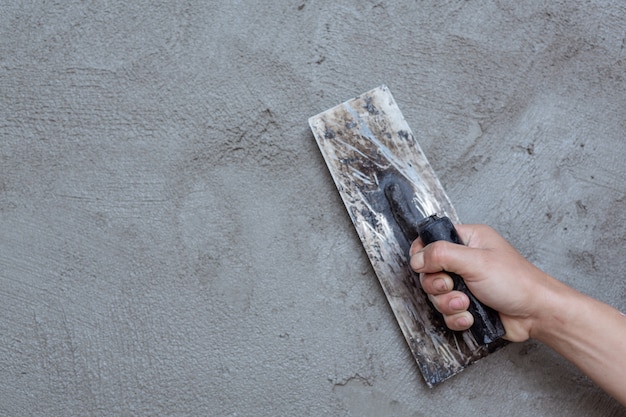
Concrete waterproofing is a critical aspect of any construction project, ensuring the longevity and integrity of the structure. When it comes to protecting concrete from water damage, the right approach can make all the difference. By leveraging expert strategies and tailored solutions, project managers can safeguard their investments and prevent costly repairs down the line. Discover expert strategies here to learn more about effective concrete waterproofing techniques.
The Importance of Concrete Waterproofing
Concrete is a porous material, making it susceptible to water damage and erosion. When water seeps into the concrete, it can cause a range of problems, from surface discoloration to structural instability. In severe cases, water infiltration can lead to catastrophic failures, resulting in costly repairs and even safety hazards. To mitigate these risks, it’s essential to implement effective waterproofing measures from the outset.
Types of Concrete Waterproofing
There are several methods for protecting concrete from water damage, each with its own strengths and weaknesses. Some common approaches include:
- Coatings and sealants: These topical treatments can provide a physical barrier against water entry.
- Membranes: Applied to the surface of the concrete, membranes can prevent water from seeping into the material.
- Drainage systems: Integrated drainage systems can help to redirect water away from the concrete, reducing the risk of damage.
When selecting a waterproofing method, it’s crucial to consider the specific needs of the project. Factors such as climate, soil conditions, and structural integrity all play a role in determining the most effective approach. Learn about our tailored solutions to find the best fit for your project.
Advanced Concrete Waterproofing Techniques
For projects requiring enhanced protection, advanced techniques can be employed. These may include:
- Pressure injection: A process involving the injection of sealants or polymers into the concrete to fill pores and prevent water entry.
- Surface treatments: Chemical or physical treatments applied to the surface of the concrete to improve its water-repellent properties.
- Integrated systems: Comprehensive systems that combine multiple waterproofing methods to provide maximum protection.
By exploring advanced guides and tips, project managers can gain a deeper understanding of the latest techniques and technologies available. Find out more about this approach to discover how it can benefit your project.
Benefits of Concrete Waterproofing
The benefits of concrete waterproofing are numerous and far-reaching. By protecting the concrete from water damage, project managers can:
- Extend the lifespan of the structure
- Reduce maintenance and repair costs
- Improve safety and reduce the risk of accidents
- Enhance the aesthetic appeal of the building
By investing in effective concrete waterproofing measures, project managers can ensure the long-term success and integrity of their project. Explore advanced guides and tips to learn more about the latest techniques and technologies available.
For more information on concrete waterproofing services, visit Discover expert strategies here to learn about our tailored solutions and advanced guides and tips.