
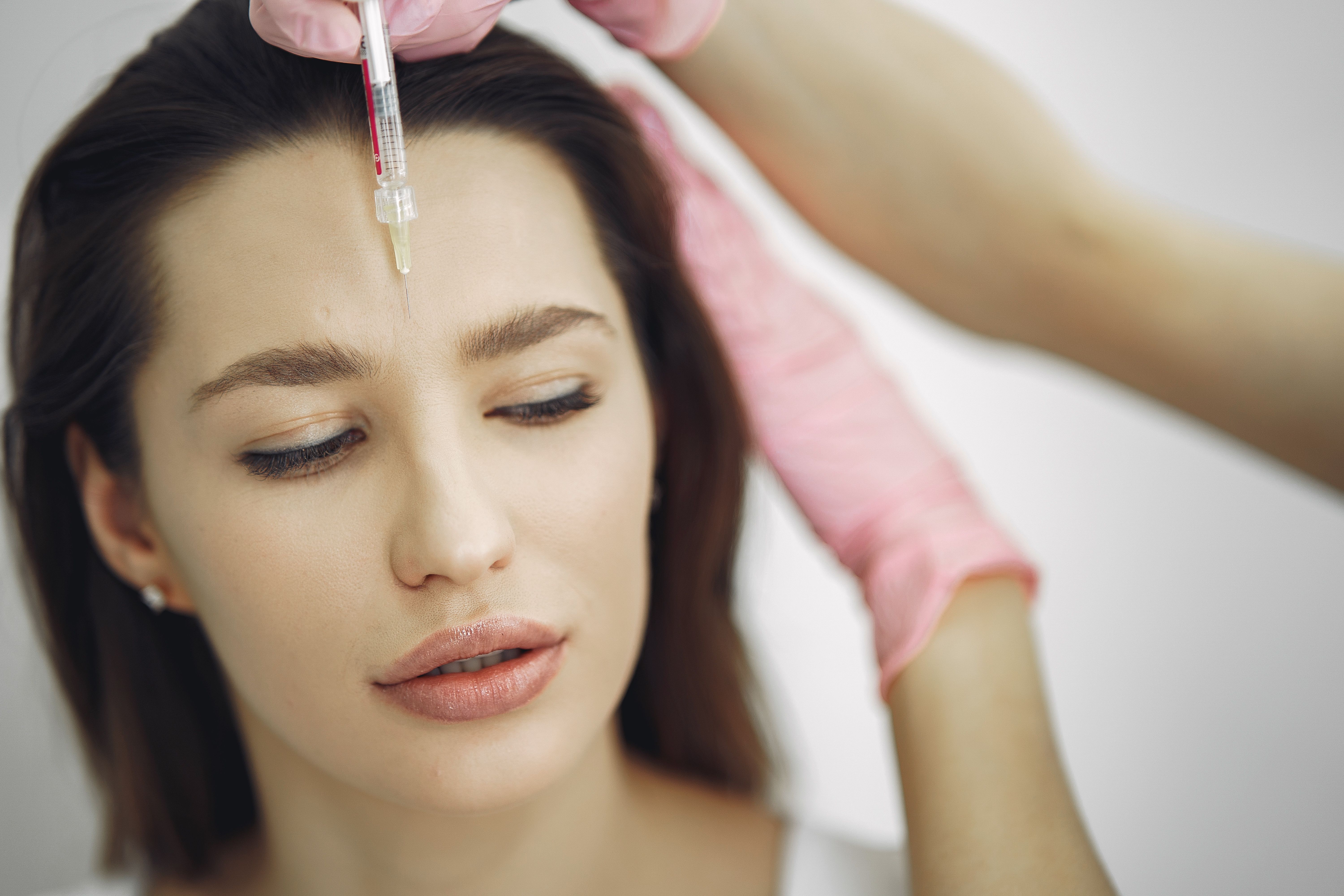
Cosmetic injectable treatments have reshaped the aesthetic landscape in Windsor, offering minimally invasive solutions for skin rejuvenation, facial contouring, and wrinkle reduction. As demand grows, understanding the variety of options, safety considerations, and after-care protocols becomes essential for anyone considering these procedures. This guide consolidates current best practices, scientific insights, and practical tips to help prospective patients navigate the world of injectables with confidence.
Understanding the Core Injectable Options
Botulinum Toxin (Botox, Dysport, Xeomin)
Botulinum toxin injections temporarily relax targeted muscles, smoothing dynamic lines such as crow’s feet, frown lines, and forehead creases. Effects typically appear within 3-5 days and last 3-4 months.
- Ideal for patients seeking quick, noticeable improvement without downtime.
- Works best on dynamic wrinkles caused by repeated facial expressions.
- Requires periodic maintenance to sustain results.
Dermal Fillers (HA, Calcium Hydroxylapatite, Poly-L-Lactic Acid)
Dermal fillers restore volume, enhance facial contours, and stimulate collagen production. Hyaluronic acid (HA) fillers are the most common, offering versatility for lips, cheeks, nasolabial folds, and tear troughs.
- Immediate results with minimal swelling.
- Duration varies: HA fillers 6-18 months, CaHA up to 12 months, PLLA up to 2 years.
- Can be combined with botulinum toxin for comprehensive rejuvenation.
Other Injectable Modalities
Emerging treatments such as biostimulatory agents (e.g., Sculptra) and platelet-rich plasma (PRP) injections broaden the toolkit for skin texture improvement and natural-looking lift.
- Sculptra stimulates new collagen over several months.
- PRP leverages the patient’s own growth factors for subtle rejuvenation.
Choosing the Right Provider in Windsor
Expertise, safety protocols, and a personalized approach are paramount when selecting a practitioner. A reputable clinic will prioritize thorough consultations, detailed medical histories, and clear communication of realistic outcomes.
- Verify credentials: Look for board-certified physicians or medically trained injectors.
- Assess facility standards: Clean, well-equipped treatment rooms are essential.
- Seek transparent pricing and after-care support.
For a deeper dive into professional standards, Discover expert strategies here.
Pre-Treatment Preparation
Proper preparation enhances safety and results. Patients should follow these guidelines before their appointment:
- Discontinue blood-thinning medications (e.g., aspirin, ibuprofen) 5-7 days prior, unless advised otherwise.
- Avoid alcohol and excessive caffeine 24 hours before treatment.
- Maintain a well-hydrated skin surface; moisturize regularly.
- Discuss any allergies, skin conditions, or recent facial procedures.
During the Procedure
The injection process is typically swift, lasting 15-30 minutes depending on the treatment plan. Key aspects include:
- Use of fine-gauge needles or cannulas to minimize trauma.
- Application of topical anesthetic or ice to reduce discomfort.
- Precise mapping of injection points for symmetry and natural appearance.
For an overview of what to expect during a consultation, Learn about our tailored solutions.
Post-Treatment Care and Recovery
Most injectables require minimal downtime, but adhering to after-care instructions optimizes outcomes and reduces complications.
- Apply gentle pressure or a cold compress to the treated area for 10-15 minutes.
- Avoid strenuous exercise, heat exposure, and direct sunlight for 24-48 hours.
- Refrain from massaging or rubbing the injection sites unless directed.
- Stay hydrated and use a broad-spectrum sunscreen daily.
Additional after-care tips can be found by Explore advanced guides and tips.
Potential Risks and How to Mitigate Them
While injectable treatments are generally safe, understanding possible adverse effects is crucial.
- Bruising and mild swelling – usually resolves within a week.
- Transient redness or tenderness at injection sites.
- Rare complications such as vascular occlusion – immediate medical attention required.
- Allergic reactions – discuss any known sensitivities beforehand.
Choosing a practitioner who follows strict aseptic techniques and has emergency protocols in place greatly reduces these risks. Find out more about this approach for comprehensive safety measures.
Cost Considerations and Value Assessment
Pricing varies based on product type, treatment area, and practitioner expertise. While cost is a factor, evaluating long-term value, including durability of results, safety record, and post-treatment support, offers a more accurate picture.
- Botulinum toxin: $10-$15 per unit.
- HA fillers: $500-$800 per syringe.
- Package deals may provide savings for combined treatments.
Future Trends in Cosmetic Injectables
Innovation continues to refine injectable technology. Anticipated developments include:
- Long-acting neuromodulators extending effect beyond four months.
- Smart fillers that adapt to facial movement for more natural results.
- Personalized formulation based on genetic and skin-type analysis.
Staying informed about emerging options helps patients make forward-looking decisions. For ongoing updates, Explore advanced guides and tips regularly.
Conclusion
Cosmetic injectable treatments in Windsor present a versatile, effective pathway to refreshed facial aesthetics without extensive surgery. By understanding the variety of products, selecting a qualified practitioner, and adhering to proper pre- and post-care protocols, individuals can achieve natural, lasting enhancements. Continuous education and a focus on safety ensure that each treatment aligns with personal goals and the highest standards of care.