
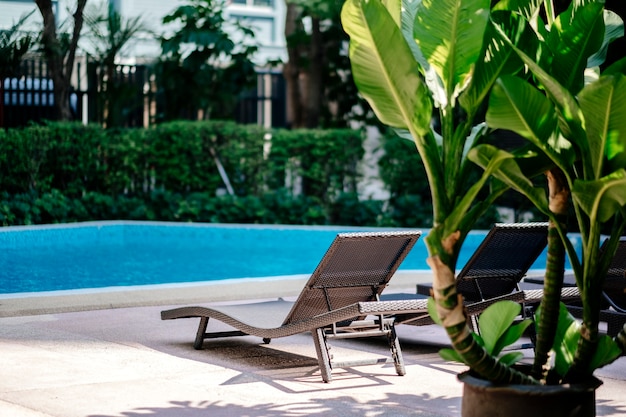
Pool resurfacing is more than a cosmetic upgrade; it restores structural integrity, improves safety, and extends the life of a swimming pool. Whether the surface shows signs of wear, cracking, or discoloration, a professional resurfacing process can revitalize the pool’s appearance and performance. This article outlines the essential steps, material choices, and maintenance practices that lead to flawless results, helping homeowners make informed decisions about their next renovation.
Why Professional Resurfacing Matters
Choosing a qualified contractor ensures that every phase of the project meets industry standards. Professional teams bring:
- Accurate surface preparation to prevent future delamination.
- Expert knowledge of material compatibility with local climate conditions.
- Precision in application, resulting in a uniform finish that resists stains and algae.
For a deeper dive into the benefits of a skilled approach, Discover expert strategies here.
Key Steps in the Resurfacing Process
1. Assessment and Planning
The initial inspection identifies cracks, leaks, and underlying structural issues. Detailed measurements allow the contractor to calculate material needs and estimate timelines.
2. Surface Preparation
Preparation is critical for adhesion. It typically involves:
- Draining the pool completely.
- Removing the old finish with sandblasting or hydro-blasting.
- Repairing any concrete or plaster defects.
- Cleaning the surface to eliminate dust and debris.
3. Material Selection
Common resurfacing options include:
- Plaster – a traditional, cost-effective choice offering a smooth finish.
- Quartz aggregate – adds texture and slip resistance.
- Pebble-Tec – a premium option known for durability and a natural stone look.
- Tile – provides the highest aesthetic flexibility but requires precise installation.
Each material has distinct performance characteristics; selecting the right one depends on budget, desired aesthetics, and usage patterns. Learn about our tailored solutions.
4. Application
The chosen material is mixed to the manufacturer’s specifications and applied in thin, even layers. Skilled technicians use trowels, rollers, or spray equipment to achieve a consistent surface. Curing time varies, but proper temperature and humidity control are essential to avoid surface imperfections.
5. Finishing Touches
After the primary coat cures, a sealant or protective topcoat may be added to enhance water resistance and color longevity. Finally, the pool is refilled, water chemistry balanced, and a thorough inspection confirms the flawless result.
Choosing the Right Contractor
Evaluating potential contractors involves more than checking a license. Consider the following criteria:
- Portfolio of completed projects similar in size and material.
- Client testimonials that reflect reliability and quality.
- Clear, written estimates that break down labor, materials, and warranties.
- Membership in professional organizations such as the Association of Pool & Spa Professionals (APSP).
For a curated list of reputable specialists, Explore advanced guides and tips.
Maintenance Tips for Long-Lasting Results
Even the best resurfacing will deteriorate without proper upkeep. Follow these best practices to protect the investment:
- Maintain balanced water chemistry; pH and alkalinity fluctuations can erode finishes.
- Use a pool brush with soft bristles to avoid scratching the surface.
- Regularly clean the pool to prevent organic buildup that can cause staining.
- Schedule annual inspections to catch early signs of wear.
Cost Considerations
Resurfacing costs vary based on material, pool size, and regional labor rates. As a general guideline:
- Plaster: $3-$5 per square foot.
- Quartz aggregate: $5-$7 per square foot.
- Pebble-Tec: $7-$10 per square foot.
- Tile: $10-$15 per square foot.
While premium options require higher upfront investment, they often reduce long-term maintenance expenses and enhance property value.
Final Thoughts
Professional pool resurfacing blends meticulous preparation, material expertise, and precise execution to deliver a surface that is both beautiful and durable. By understanding the process, selecting the appropriate finish, and committing to regular maintenance, homeowners can enjoy a sparkling pool for years to come. For additional resources and detailed guidance, Find out more about this approach.