
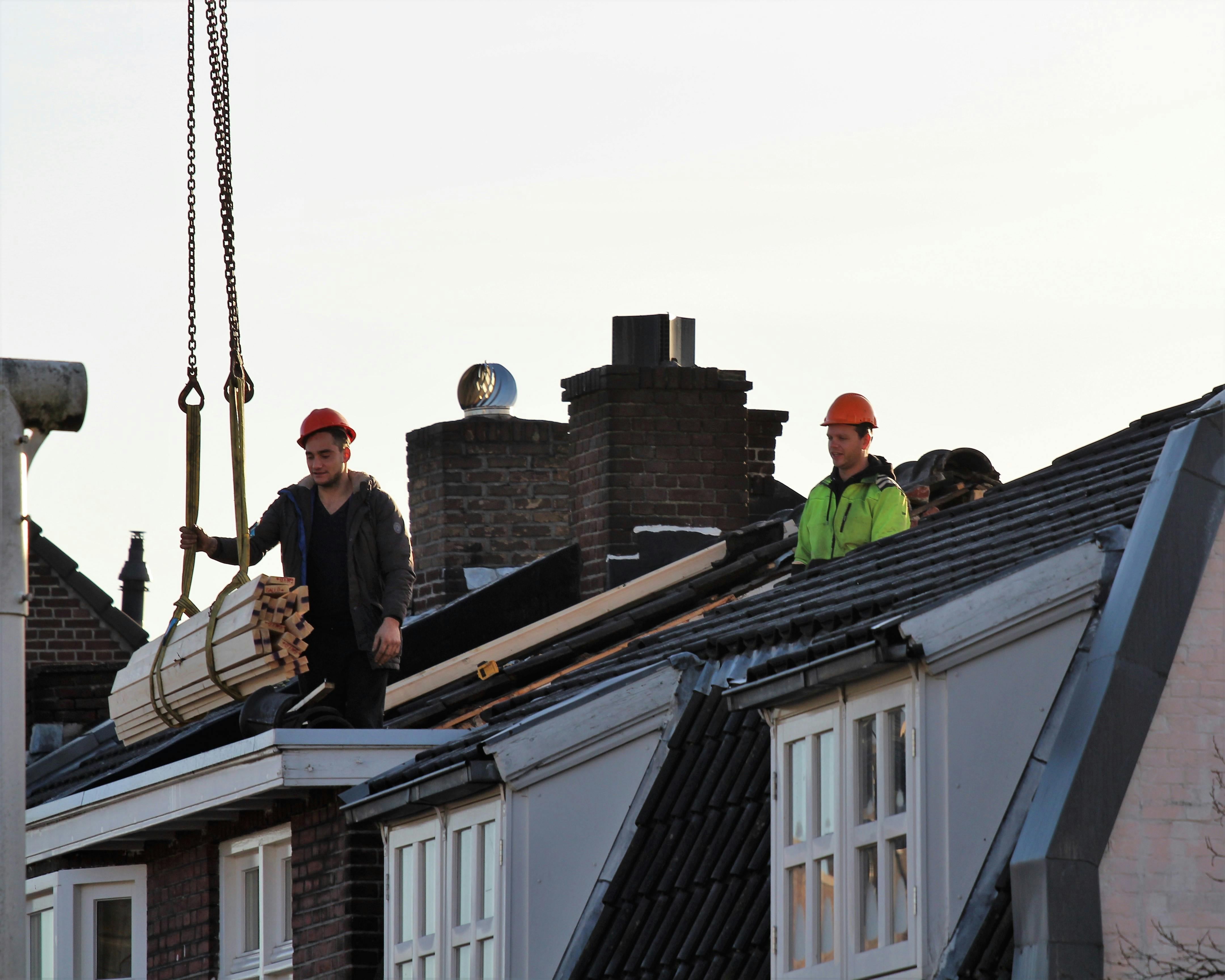
When a roof reaches the end of its functional life, a complete roof replacement becomes essential to protect the structure, improve energy efficiency, and maintain curb appeal. The process, while extensive, can be streamlined with careful planning, skilled execution, and the right choice of materials. This guide outlines the steps, considerations, and best practices that ensure a quick and efficient roof replacement, whether for a single-family home or a large commercial building.
Assessing the Need for a Complete Roof Replacement
Identifying Warning Signs
- Visible cracks, missing shingles, or extensive granule loss.
- Water stains on ceilings or interior walls.
- Age of the roof exceeding the typical lifespan of the installed material.
- Repeated repairs that no longer address underlying issues.
Professional Inspection
A thorough on-site inspection by a qualified roof replacement contractor near me determines the scope of work, identifies hidden damage, and provides an accurate cost estimate. Inspectors will evaluate decking condition, flashings, ventilation, and any structural concerns that could affect the new roof’s performance.
Planning the Project
Choosing the Right Materials
Material selection influences durability, aesthetics, and budget. Common options include:
- Architectural asphalt shingles – versatile and cost-effective.
- Metal panels – long-lasting and energy-efficient.
- Clay or concrete tiles – ideal for Mediterranean styles.
- Single-ply membranes – preferred for flat commercial roofs.
For those searching for residential roof replacement near me, the choice often balances visual appeal with local climate considerations.
Scheduling and Permits
Obtaining necessary permits early prevents delays. Coordination with local authorities ensures compliance with building codes and fire regulations. When time is critical, such as after storm damage, an emergency roof replacement can be expedited through fast-track permitting processes.
Execution: Steps for a Quick and Efficient Replacement
1. Site Preparation
- Protect landscaping, gutters, and nearby structures with tarps and barriers.
- Set up safety measures: harnesses, guardrails, and clear signage.
2. Removal of Existing Roofing
The old roofing system is carefully stripped to expose the deck. This step includes the removal of damaged underlayment, flashings, and any compromised decking.
3. Deck Inspection and Repair
- Inspect decking for rot, warping, or structural issues.
- Replace or reinforce sections as needed to provide a solid substrate.
4. Installation of Underlayment and Flashings
High-quality synthetic underlayment offers superior moisture protection. Properly sealed flashings around chimneys, vents, and skylights prevent future leaks.
5. Laying the New Roofing Material
- Follow manufacturer guidelines for spacing, nailing patterns, and overlapping.
- Maintain consistent alignment to achieve a uniform appearance.
6. Finishing Touches
Install ridge caps, ventilators, and any required accessories. Conduct a final inspection to verify that all seams are sealed and that the roof meets performance standards.
Post-Installation Considerations
Quality Assurance
Most reputable contractors provide a written warranty covering materials and workmanship. Keep documentation for future reference and insurance claims.
Maintenance Tips
- Schedule annual inspections, especially after severe weather.
- Keep gutters clean to prevent water backup.
- Trim overhanging branches that could damage the roof surface.
Choosing the Right Service Provider
When searching for commercial roof replacement near me or a residential solution, consider the following criteria:
- Licensing, insurance, and certifications specific to the chosen material.
- Track record of completing projects on schedule and within budget.
- Transparent communication and detailed written proposals.
By aligning with a knowledgeable roof replacement services near me, property owners can expect a seamless process that minimizes disruption while delivering a durable, high-performing roof.
Conclusion
A complete roof replacement, when executed with precision and expertise, safeguards a building for decades. From accurate assessment and material selection to meticulous installation and post-project care, each phase contributes to a swift, cost-effective outcome. Leveraging professional guidance and reliable complete roof replacement services ensures that the new roof not only meets current standards but also adds long-term value to the property.