
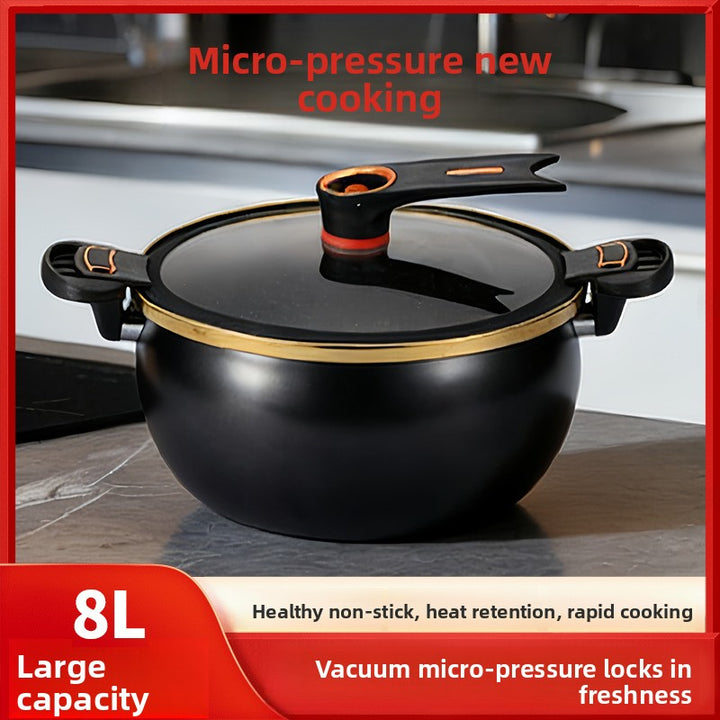
Premium kitchen cookware represents the intersection of culinary tradition, modern engineering, and thoughtful design. Selecting the right pieces can elevate everyday cooking, improve nutrient retention, and extend the lifespan of a kitchen’s most-used tools. This article explores the key characteristics that define high-quality cookware, the materials that dominate the market, and practical considerations for building a versatile, long-lasting collection. Whether renovating a home kitchen or upgrading a professional setup, understanding these fundamentals helps make informed, cost-effective decisions. Read more about this topic.
Core Attributes of Premium Cookware
When evaluating cookware, focus on performance criteria rather than brand reputation. The following attributes consistently separate superior products from ordinary alternatives:
- Heat Conductivity: Uniform heat distribution prevents hot spots and promotes even cooking.
- Durability: Resistance to warping, scratching, and corrosion ensures longevity.
- Non-Reactive Surface: Materials that do not leach flavors or chemicals maintain food integrity.
- Ergonomic Design: Comfortable handles, balanced weight, and secure lids improve usability.
- Maintenance Requirements: Ease of cleaning and compatibility with various stovetops (induction, gas, electric).
Materials and Their Culinary Impact
Different metals and composites bring unique advantages to the kitchen. Understanding how each material interacts with heat and food helps tailor a cookware set to specific cooking styles.
Stainless Steel
Stainless steel offers excellent durability and a non-reactive surface, making it ideal for deglazing, simmering sauces, and cooking acidic ingredients. Its layered construction, often paired with an aluminum or copper core, enhances heat distribution while retaining the sleek, polished appearance that many chefs prefer. Learn more in this detailed guide.
Copper
Copper conducts heat more rapidly than any other metal, delivering precise temperature control. However, pure copper reacts with acidic foods, so it is typically lined with tin or stainless steel. This combination provides the responsiveness of copper while protecting food quality. Copper cookware is favored for delicate tasks such as candy making and tempering chocolate. Explore further insights here.
Aluminum
Aluminum is lightweight and offers good conductivity at a lower cost. Anodized or hard-coated aluminum prevents surface oxidation and creates a non-stick surface without the need for chemical coatings. It works well for everyday frying, saut??ing, and baking. Find additional information here.
Cast Iron
Cast iron retains heat exceptionally well, making it perfect for searing, braising, and slow-cooking. When seasoned correctly, it develops a natural non-stick layer and adds a subtle iron boost to meals. Modern variations, such as enamel-coated cast iron, eliminate the need for seasoning while offering vibrant color options.
Choosing the Right Set for Your Kitchen
A well-rounded cookware collection typically includes a few essential pieces that cover a broad range of cooking techniques. Consider the following baseline set:
- 1-2″?qt. saucepan – ideal for sauces, reheating, and boiling small portions.
- 3-qt. saut?? pan – versatile for frying, browning, and shallow saut??ing.
- 8-inch skillet – perfect for eggs, pancakes, and quick-cook meals.
- 10-inch skillet – suited for steaks, stir-fries, and larger portions.
- 2-qt. Dutch oven – essential for braising, stews, and oven-to-table dishes.
- Baking sheet and roasting pan – useful for oven-based preparations.
Select materials based on the cooking methods you employ most frequently. For instance, a stainless-steel saut?? pan with an aluminum core may serve daily stovetop work, while a cast-iron Dutch oven can handle weekend roasts and slow-cooked meals. Pairing complementary pieces reduces the need for duplicate items and maximizes storage efficiency.
Maintenance Tips to Preserve Performance
Proper care prolongs the life of premium cookware and maintains its cooking qualities. Follow these general guidelines:
- Seasoning: For cast iron and carbon steel, apply a thin oil layer after each use and heat gently to build a protective patina.
- Cleaning: Use warm, soapy water and a non-abrasive sponge for stainless steel and anodized aluminum. Avoid harsh scouring pads that can damage surface finishes.
- Heat Management: Preheat on low to medium settings; high heat can cause warping, especially in thinner aluminum bases.
- Storage: Separate stacked pieces with protective liners or cloths to prevent scratching.
- Compatibility: Verify that the cookware’s base matches your stovetop type (induction, gas, electric) to ensure optimal heat transfer.
Environmental and Health Considerations
Premium cookware often incorporates sustainable manufacturing practices, such as recycled metals and reduced chemical coatings. Choosing non-reactive, PFOA-free surfaces minimizes the risk of contaminant leaching into food. Additionally, a durable set reduces the frequency of replacement, lowering overall waste and resource consumption. Consumers seeking eco-friendly options should prioritize materials with long lifespans and recyclable end-of-life pathways.
Conclusion
Investing in high-quality kitchen cookware is less about brand loyalty and more about aligning material properties, design features, and personal cooking habits. By focusing on heat conductivity, durability, and maintenance requirements, it is possible to assemble a versatile, long-lasting collection that supports both everyday meals and culinary experimentation. For further guidance on selecting and caring for premium cookware, Read more about this topic.