
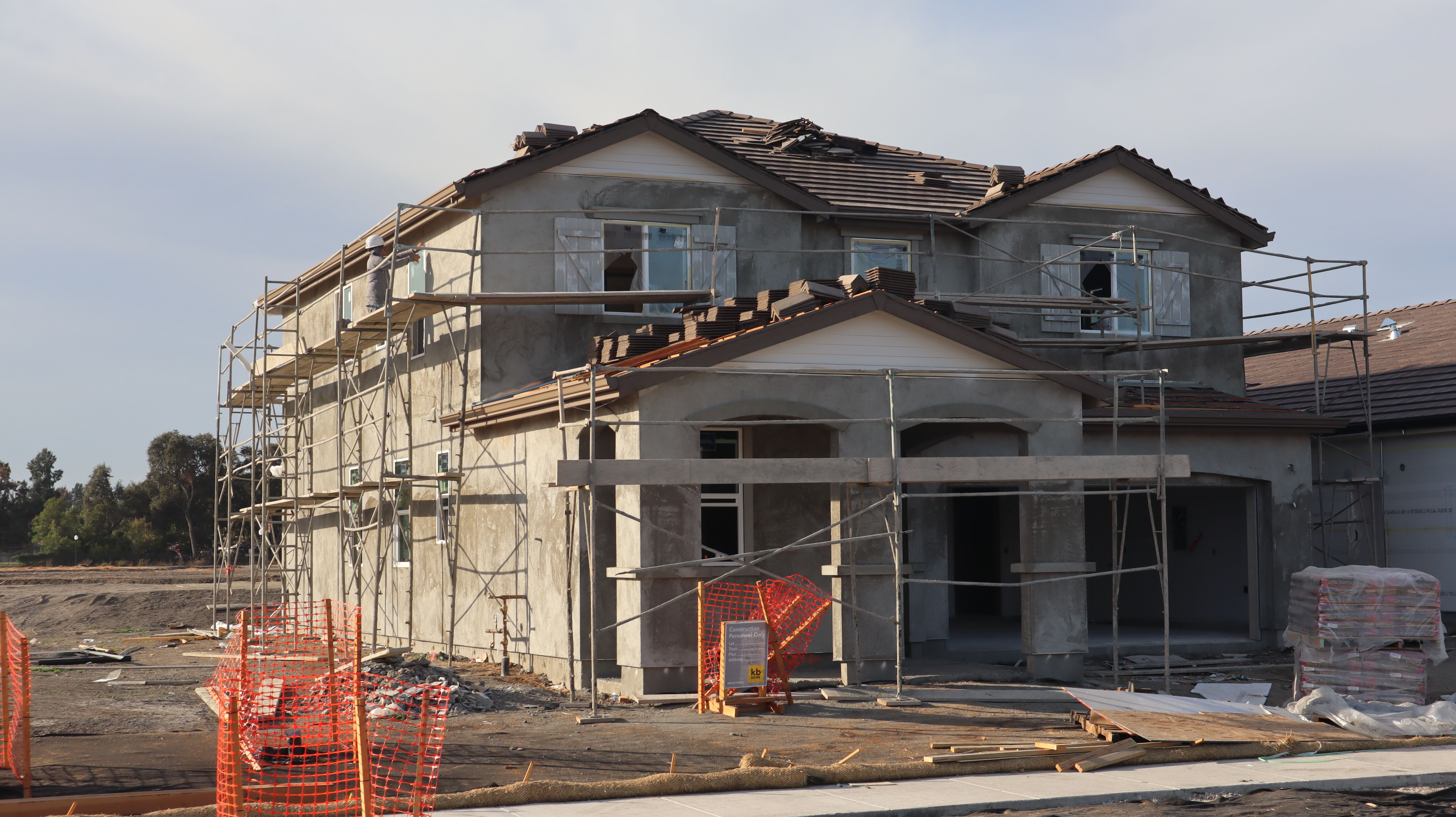
Expanding a home is a significant investment that reshapes living space, enhances functionality, and boosts property value. Selecting a builder with proven expertise ensures that the extension not only meets design expectations but also complies with local regulations, structural standards, and sustainability goals. This guide outlines the essential considerations and best practices for homeowners seeking professional home extension builders near them, helping to turn renovation visions into reality.
Why Choose Professional Home Extension Builders?
A qualified builder brings a blend of technical knowledge, project management skills, and industry connections that streamline the entire extension process. From initial concept sketches to final handover, professional teams coordinate architects, engineers, and tradespeople, reducing delays and unexpected costs. For deeper insight into strategic planning, Discover expert strategies here.
Core Advantages
- Regulatory compliance: Mastery of building codes, permits, and council approvals prevents legal setbacks.
- Quality craftsmanship: Skilled trades deliver precise finishes that stand the test of time.
- Project coordination: Seamless scheduling minimizes disruption to daily life.
- Risk management: Insurance coverage and safety protocols protect both the homeowner and the site.
Key Benefits of a Well-Executed Extension
Beyond added square footage, a thoughtfully designed extension can transform a property’s functionality and market appeal. Homeowners often experience improved indoor-outdoor flow, increased natural light, and versatile spaces that adapt to changing family needs. To explore detailed benefits, Learn about our tailored solutions.
Long-Term Value Creation
- Higher resale price due to modernized layouts.
- Enhanced energy efficiency with updated insulation and windows.
- Improved livability that supports multi-generational living.
- Potential for rental income if the extension creates a separate dwelling.
Factors to Consider When Selecting a Builder
Choosing the right partner involves more than reviewing portfolios. Homeowners should assess experience, communication style, and post-construction support. For a comprehensive checklist, Explore advanced guides and tips.
Evaluation Checklist
- Relevant experience: Look for completed projects similar in scale and style.
- Licensing and insurance: Verify all certifications are current and valid.
- Client references: Request feedback from recent homeowners.
- Transparent quoting: Detailed estimates should outline materials, labor, and contingencies.
- Project timeline: A realistic schedule includes milestones and buffer periods.
Steps to a Successful Home Extension Project
A systematic approach reduces uncertainty and keeps the project on track. Below is a typical workflow that professional builders follow, ensuring each phase receives appropriate attention.
1. Initial Consultation & Feasibility Study
- Assess site constraints, zoning regulations, and budget parameters.
- Develop concept sketches that align with the homeowner’s vision.
2. Design Development & Approvals
- Collaborate with architects to refine plans.
- Submit documentation for council approval and secure necessary permits.
3. Detailed Quoting & Contracting
- Provide a line-item quotation covering materials, labor, and contingency.
- Sign a comprehensive contract outlining scope, payment schedule, and warranties.
4. Construction & Site Management
- Implement a phased construction plan to minimize disruption.
- Conduct regular site inspections and progress meetings.
5. Final Inspection & Handover
- Complete a punch-list review to address any outstanding items.
- Deliver as-built documentation, maintenance guidelines, and warranties.
For a deeper dive into each stage, Find out more about this approach.
Maintenance and Long-Term Performance
Even the most expertly built extension benefits from routine maintenance. Simple actions such as checking roof flashing, sealing joints, and cleaning gutters preserve structural integrity and curb appeal. Professional builders often provide maintenance schedules as part of their after-care service, ensuring the extension remains in optimal condition for years to come.
Maintenance Checklist
- Inspect exterior cladding and paint for cracks or peeling.
- Test all windows and doors for proper sealing.
- Verify that plumbing and electrical installations function correctly.
- Schedule periodic professional inspections, especially after extreme weather.
Conclusion
Investing in a home extension is a strategic decision that demands expertise, meticulous planning, and reliable execution. By partnering with seasoned professionals, homeowners gain confidence that the project will meet design aspirations, adhere to regulatory standards, and deliver lasting value. For further resources, case studies, and personalized guidance, visiting reputable service sites such as Discover expert strategies here. can provide the clarity needed to move forward with confidence.