
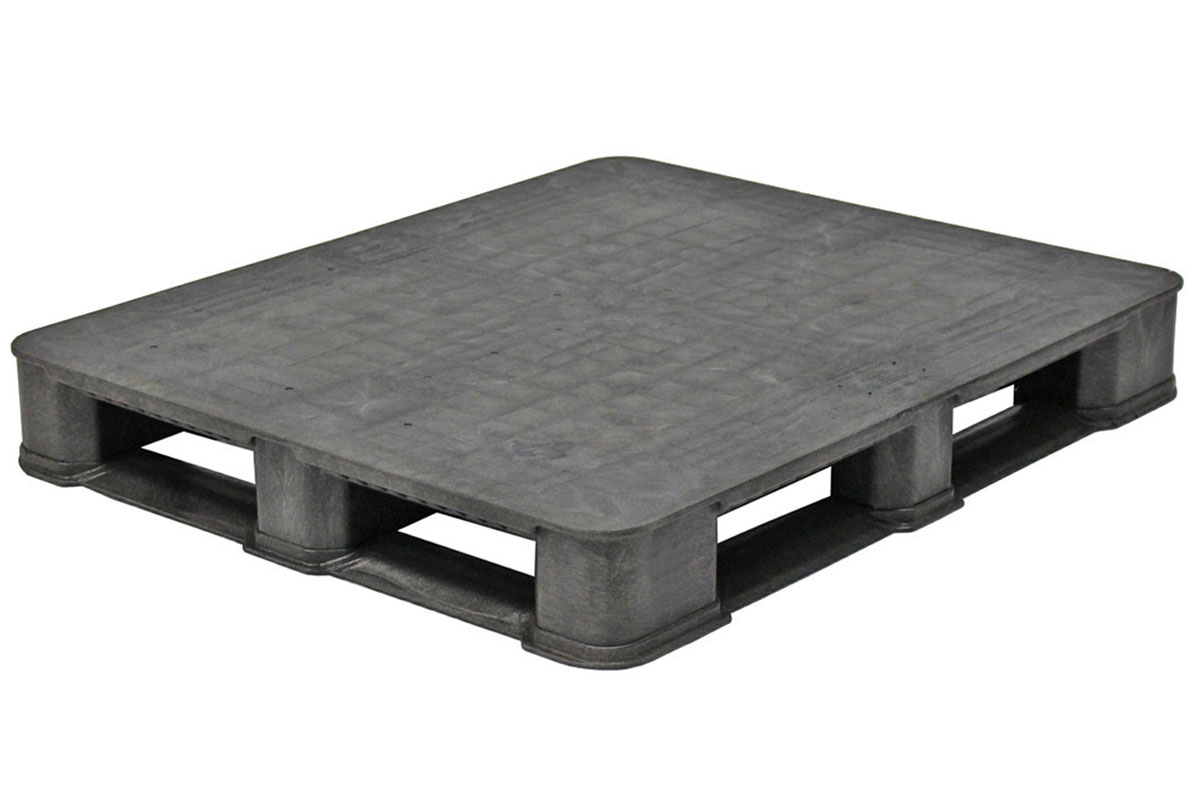
The logistics and warehousing industries continuously seek innovative solutions to improve efficiency and sustainability. One such innovation is the use of plastic pallets. These pallets are rapidly gaining popularity due to their numerous advantages over traditional wooden pallets. This comprehensive guide explores the benefits of plastic pallets, highlighting why they are becoming a preferred choice for businesses worldwide.
Durability and Longevity
One of the most significant advantages of plastic pallets is their enhanced durability compared to wooden pallets. Plastic pallets are designed to withstand harsh environments and heavy loads without suffering from wear and tear.
- They are resistant to weather elements, making them ideal for outdoor storage.
- Plastic pallets do not rot, warp, or splinter, which means they have a longer lifespan.
- They maintain structural integrity over time, reducing the need for frequent replacements.
Hygiene and Cleanliness
In industries where hygiene is crucial, such as pharmaceuticals and food processing, plastic pallets offer a significant advantage.
- They are easy to clean and sanitize, preventing contamination.
- Plastic pallets are impervious to moisture, chemicals, and other contaminants.
- They do not harbor pests or fungi, ensuring compliance with hygiene standards.
Environmental Sustainability
As businesses strive to reduce their environmental footprint, plastic pallets offer an eco-friendly alternative.
- Most plastic pallets are made from recycled materials and are fully recyclable at the end of their life cycle.
- Their long lifespan reduces waste generated from frequent pallet disposal.
- Using plastic pallets can contribute to a company’s sustainability goals by minimizing reliance on timber resources.
Weight and Handling Efficiency
The lightweight nature of plastic pallets provides significant benefits in terms of handling and transportation.
- They are easier to lift and move, reducing the risk of workplace injuries.
- The reduced weight lowers transportation costs by decreasing fuel consumption.
- Plastic pallets can be designed for nestability, optimizing space in warehouses and during transport.
Customization and Design Flexibility
Plastic pallets can be custom-designed to meet specific needs and applications, offering flexibility that wooden pallets cannot match.
- They can be manufactured in various sizes, shapes, and colors to suit branding and operational requirements.
- Additional features such as RFID tracking, anti-slip surfaces, and reinforced edges can be incorporated.
Cost Efficiency
While the initial investment in plastic pallets may be higher than wooden pallets, the long-term cost benefits are substantial.
- Their durability reduces the frequency of replacements, lowering overall costs.
- Decreased maintenance and repair expenses contribute to cost savings.
- Improved handling efficiency and reduced transportation costs further enhance economic value.
In conclusion, plastic pallets have emerged as a superior choice for many industries due to their durability, hygiene, sustainability, and cost-effectiveness. As businesses continue to prioritize efficiency and environmental responsibility, the adoption of plastic pallets is expected to increase. By understanding the benefits outlined in this guide, companies can make informed decisions when selecting pallet solutions that align with their operational and sustainability goals.